When basement flooding happens, it can disrupt your life and bring about pricey repair work. You need to act promptly to minimize damages and guarantee your space is risk-free once again. First, you'll wish to identify the resource of the water and begin the cleanup procedure. But comprehending the causes and applying effective restoration techniques is critical for lasting prevention. What actions should you take next to secure your home from future issues?
Reasons For Basement Flooding and How to Address Them?
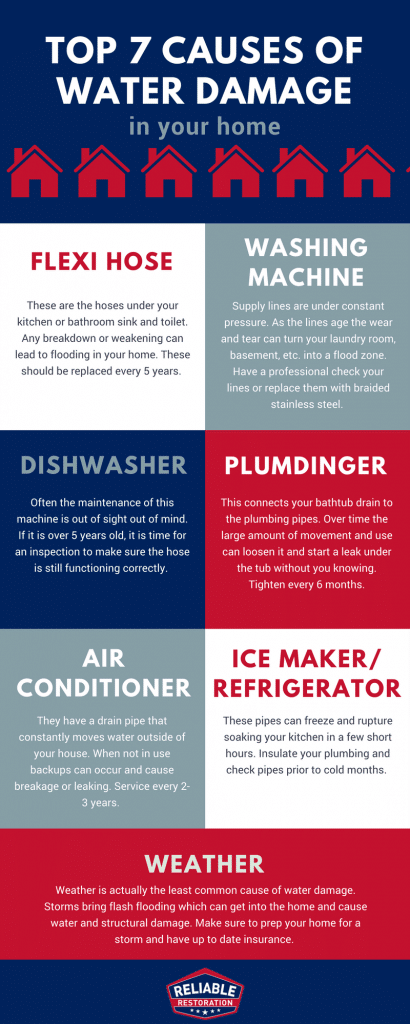
Basement flooding can originate from a number of common causes, and addressing them quickly is important to avoid extensive water damages.
Initially, hefty rains or fast snowmelt can overwhelm your drainage systems. Ensure seamless gutters and downspouts are clear and straight water away from your structure.
Second, bad grading around your home can lead to water pooling near your basement. You may require to regrade your yard to make certain correct drain.
Third, plumbing leaks from defective pipelines or devices can contribute to excess wetness. Routinely evaluate your pipes for any kind of signs of wear or leaks.
Finally, groundwater seepage with fractures in your structure can be an issue. Seal these splits with suitable materials to safeguard your basement from future flooding.
Step-by-Step Water Damage Assessment and Cleanup Process
When taking care of water damages, a methodical approach can make all the difference. Start by analyzing the impacted areas. Determine the resource of the water and stop it preferably.
Next, record the damages with photos for insurance coverage purposes. Remove any kind of standing water making use of pumps or damp vacs, and make sure proper ventilation to dry out the area.
Check for hidden moisture in walls and floors, and get rid of any type of soaked products like carpetings or drywall.
Sterilize the area to avoid mold growth; utilize a blend of water and bleach for therapy.
Finally, keep track of the space to guarantee it's drying out correctly. By following these steps, you can efficiently take care of the water damage and prepare for the next phases of restoration.
Next Steps After Water Damages: Trick restoration Techniques
After you've examined and tidied up the preliminary water damage, it's time to focus on repair strategies that can bring your cellar back to its initial state.
First, guarantee proper ventilation to help dry out the location; open windows and use fans to flow air.
Next, think about using a dehumidifier to lower dampness levels, stopping mold growth.
Check and change any kind of damaged insulation or drywall, as these products can catch water.
Tidy and sterilize all surfaces with a mixture of water and bleach to eliminate bacteria.
Lastly, inspect your floor covering; if it's wood, allow it to dry slowly to avoid warping.
For go to this website , consider specialist cleaning or replacement if they're too harmed.
Taking these steps will certainly aid recover your cellar properly.
Final thought
In conclusion, dealing with basement flooding can be frustrating, but by adhering to these actions, you can effectively take care of the circumstance. Identify simply click for source , remove standing water, and record the damages. Keep in mind to sterilize the location and monitor for surprise dampness. Once you've restored your area, take safety nets to avoid future concerns. Stay attentive with routine inspections and watch on weather condition patterns to secure your cellar from possible flooding down the line.